While the combination of grape juice and unaged brandy might at first sound like a teenage experiment in mixology gone horribly wrong, it’s actually an ancient, and delicious, beverage from the wine growing regions of France. Known there as mistelle, this traditional aperitif is made by fortifying the unfermented juice of a particular region’s grapes with an eau de vie (unaged brandy) distilled from that same fruit, and then maturing the blend in oak.
For example, Pineau de Charentes is the mistelle made from the fresh juice of grapes grown in the French department of Charentes, fortified with unaged Cognac. These grapes are not particularly well suited to making table wine and generally end up as a brandy, so mistelle serves as an important way to create a lighter, juicier beverage from the fruit of that region.
While still a rarity in Australia, ask around in Aussie wine circles about this little-known style of aperitif and eyes will light up. Many of our winemakers have spent time training in Europe where they were introduced to this wonderful drink, and have now begun playing with the style locally, resulting in mistelle having a small but sustained naissance Down Under.
Alex Schulkin, winemaker for The Other Right Wines, spent time in Jura working with Ludwig Bindernagel of Lulu Vigneron, who taught him the secrets of mistelle. Upon his return to Australia, Alex teamed up with James Madden of Scintilla to make a modern Australian version they call Eau d’Amis.
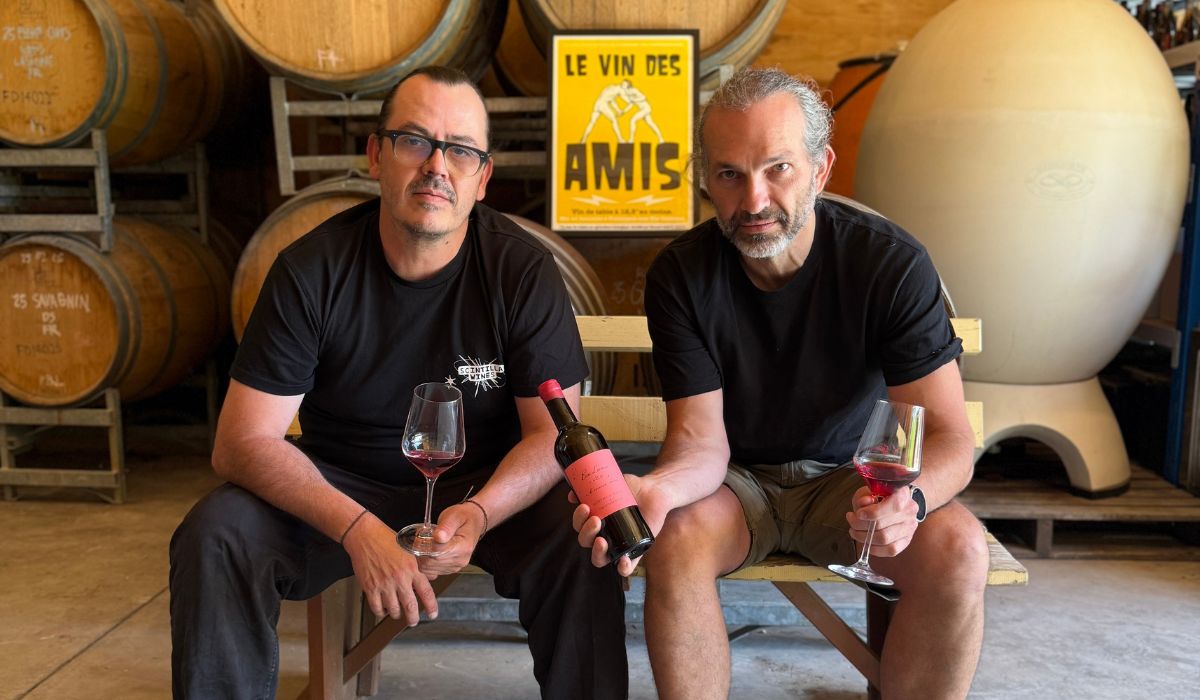
“The blends include some of every grape variety James and I can get our hands on in a given year for a snapshot of that vintage,” says Alex. “There is a crucial distinction between mistelle and other fortified wines,” he explains.
“Because it’s a fresh juice – not a wine – fortified with spirit, hardly any fermentation occurs. As such, the grape flavours aren’t converted into wine flavours, but stay in their original form, offering a lot of primary fruit character,” he says. “It is a versatile beverage that can be white or red and can be enjoyed as an aperitif or a nightcap. Good examples can stay open for weeks, if not months, and remain fresh and vibrant.”
Without huge demand from Aussie drinkers for this little-known aperitif, most of the folks making traditional mistelle in Australia are here purely for the fun of it. “Back in 2011 at our original Red Hill location, we shared the space with Darling Park Winery,” says Holly Klintworth of Mornington Peninsula gin and brandy producer Bass & Flinders.
“At the time, they had a French intern, Paul Meunier, and he was incredibly interested in what we were doing at the distillery,” she says. “At some point we had some leftover grape juice and unaged spirit, so Paul suggested an Australian version of a Pineau de Charentes. We were looking for new and unique ways to celebrate the local viniculture, and mistelle had a lovely alignment with our grape-based philosophy. It also offered an opportunity to produce something a little sweeter and lighter in alcohol for our customers,” Holly explains.
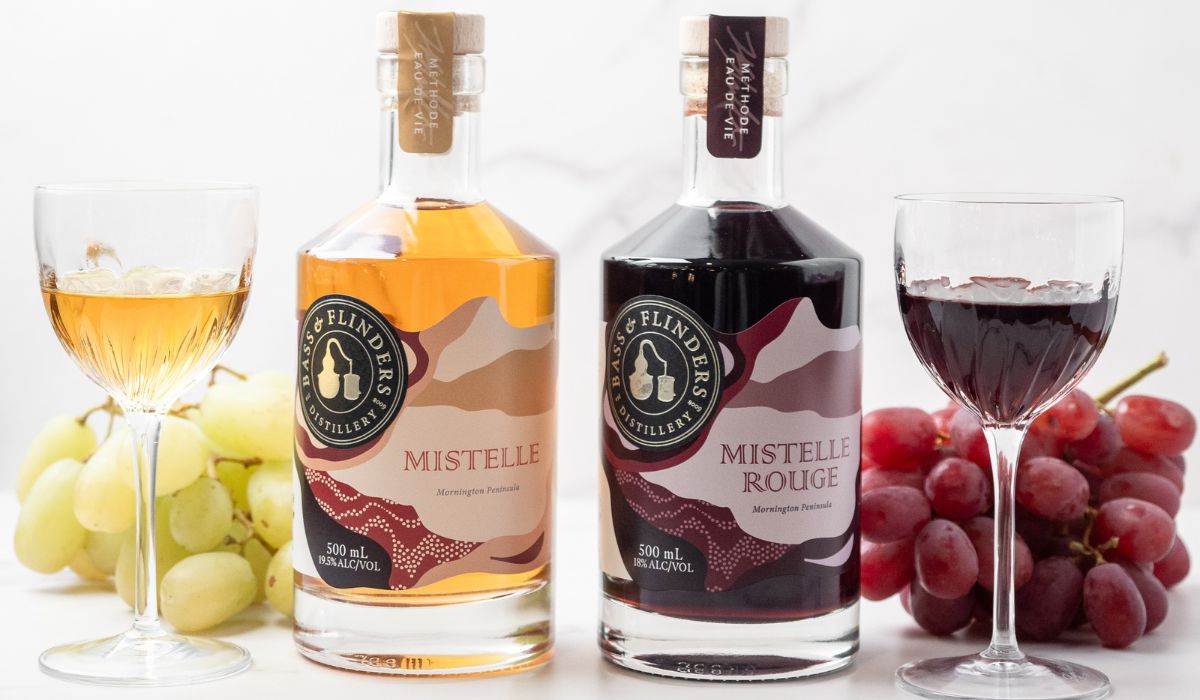
And while there’s not a lot of knowledge among consumers about this esoteric beverage, Holly says the proof is in the pudding once folks get the chance to try it. “I’ve always found that as soon as people taste our mistelle, they’re blown away by its brightness and freshness. It has the clear distinction of being much less sweet than a liqueur and much fresher than a traditional fortified,” she says. “We just need to show more people how delicious and versatile mistelle can be!”
Bass & Flinders produces both a white and a red mistelle, the former from muscat blanc à petits grains and chardonnay juice fortified with their grape eau de vie. It’s bright, sweet and floral, with a honeyed nose and an incredible texture reminiscent of Sauternes. Their red Mistelle Rouge is made with locally sourced shiraz juice, offering notes of blackcurrant, orange zest, sultanas and Greek olives, with a sweet palate that has all the complexity of a good port but with a much lighter, more drinkable profile that retains plenty of balancing acid.
Traditionally, mistelles are also made from other fruits, such as apples and pears. Pommeau, native to Normandy and Brittany, for example, sees unfermented apple juice fortified with unaged apple brandy (Calvados) for a deliciously refreshing and complex apple aperitif. Given Australia’s abundant supply of excellent fruit, the style makes a lot of sense in the Aussie context. Examples like Willie Smith’s Pommeau from Tasmania honours French traditions with a marriage of fresh heritage cider apple juice fortified with their own apple brandy, then matured in a solera system topped up each harvest. It’s an absolutely cracking drink, either on its own or mixed in cocktails, like the modern appletinis now gracing the lists of many top bars and restaurants.
As well as traditional styles, Australia is now home to several mistelle-adjacent aperitifs that, while not following the exact formula of fruit-juice-fortified-with-brandy-from-the-same-fruit, are still wonderful additions to our ever-expanding beverage horizons. Most prominent among them is Rhubi, an aperitif made with fortified rhubarb juice and various botanicals for a complex, bittersweet and vibrantly coloured drink that can be found at many of Australia’s most influential bars.
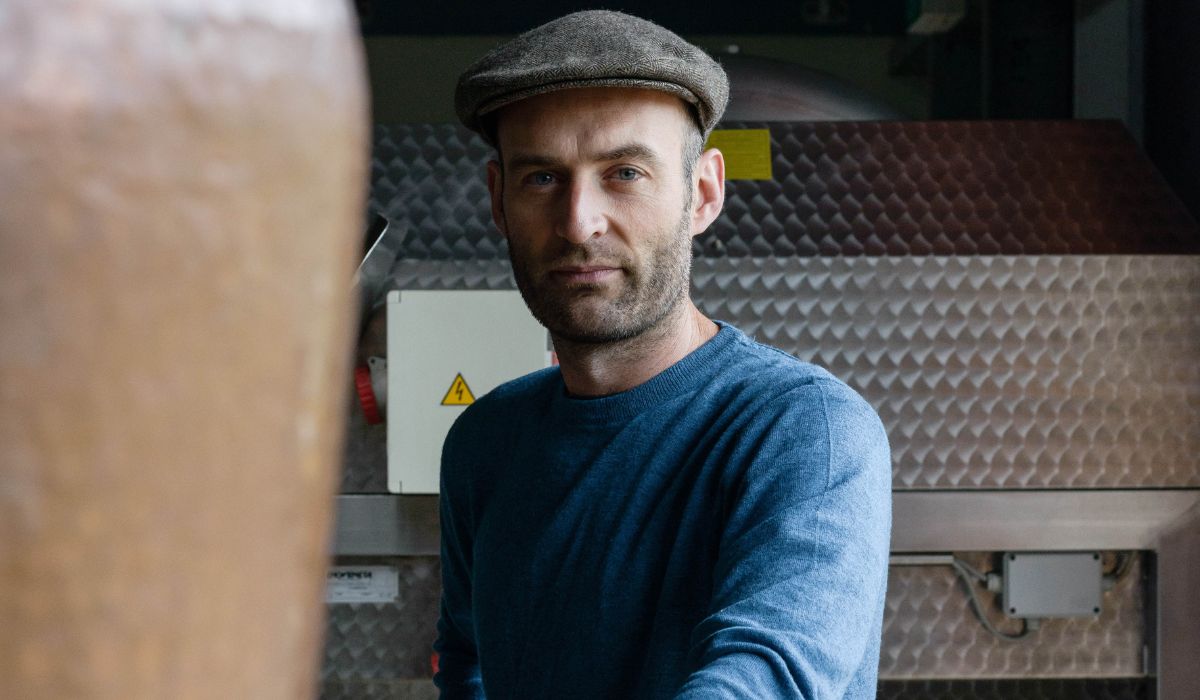
French-born bartender Tanguy Charbonnet is the Food & Beverage Director at the Mornington Peninsula’s Jackalope Hotels group and frequently employs mistelle in his cocktail creations. “I like using mistelle in cocktails because it adds texture, natural sweetness and balance,” he says.
“On our current menu we have a cocktail called Jump Then Fall made with Rhubi,” says Tanguy. “It brings the nice fruity notes of rhubarb, as well as the citrus and floral tones we wanted for the cocktail,” he says.
Other examples of non-traditional mistelles making waves in Australia include PDG (Pineau de Gembrook) by Andrew Marks, winemaker at Gembrook Hill in the Yarra Valley and also distiller and founder of Melbourne Gin Company. This bright and botanical aperitif sees unfermented sauvignon blanc juice from the winery, fortified with Mark’s own gin for a unique take on the style.
Meanwhile, at Melbourne Moonshine, their popular Apple Pie Shine is made by fortifying fresh Aussie apple juice with their triple-distilled corn spirit. This fruity and sweet-but-balanced beverage is lighter in alcohol than a standard spirit and has become popular as a shot in the live music venues and dive bars of Australia, proving that mistelle can have appeal well beyond traditional aperitifs.
As our growers, winemakers and distillers continue to collaborate, this sort of fun and fascinating approach to traditional drinks will continue to evolve and thrive in the Australian context. It’s the best thing about our homegrown beverage industry – a surplus of outstanding fruit combined with creativity and skill, unbound by tradition, results in brilliant modern drinks unlike any in the world.
This article first appeared in issue #81 of Halliday magazine. Become a member to receive all four issues delivered to your door per year, plus digital access to over 185,000 tasting notes from 4000+ wineries and distilleries, and much more.
Subscribe to the Halliday Wine Companion Podcast
Hear from some of Australia's top winemakers and industry professionals as they share their stories and insights on the Halliday Wine Companion Podcast. Listen here, or on your usual podcast platform, and remember to rate, share and subscribe so you never miss an episode.HTML

More from Fred Siggins
-
Spirits
The rum revolution: How fresh cane rums are changing the game for Australia's oldest spirit
9 Nov 2025 -
Spirits
The vodka renaissance: Fred Siggins on how Australian vodka producers are reinventing the classic spirit
2 Oct 2025 -
Spirits
The spirit of Flinders Island: How Furneaux Distillery harnesses its environment to create whisky that speaks of place
24 Jul 2025